Spider veins usually develop over a long period of time. At first they may seem like a few thin red lines around the ankle. Months later, they become more noticeable. They are web-like patterns that spread across the legs. Some are worried about their appearance, while others have a mild ache or heaviness, as well as the visible veins.
That’s usually when the search begins and one question keeps popping up: Which one actually works better, sclerotherapy or laser vein treatment?
The answer isn’t always straightforward. Both treatments are widely used for spider veins, and both can produce excellent results. The better option often depends on the size and location of the veins, skin type, personal preferences, and treatment goals.
Why Spider Veins Develop
Spider veins are small, damaged blood vessels that become visible near the surface of the skin. They commonly appear on the legs and occasionally on the face. Several factors can contribute to their development, including ageing, genetics, hormonal changes, pregnancy, prolonged standing, and excess body weight.
Some people get spider veins in their twenties, while others don’t see them until much later in life. Family history often has an important role. If close relatives have spider veins, you may be more likely to get them.
Although spider veins are usually harmless, many people seek treatment because of cosmetic concerns or mild symptoms such as heaviness and discomfort.
What Is Sclerotherapy?
Sclerotherapy is a minimally invasive procedure. It involves injecting a solution into the vein that is causing problems. This solution irritates the veins lining. Makes it collapse. The body then absorbs the vein. Over time the treated veins slowly disappear from sight.
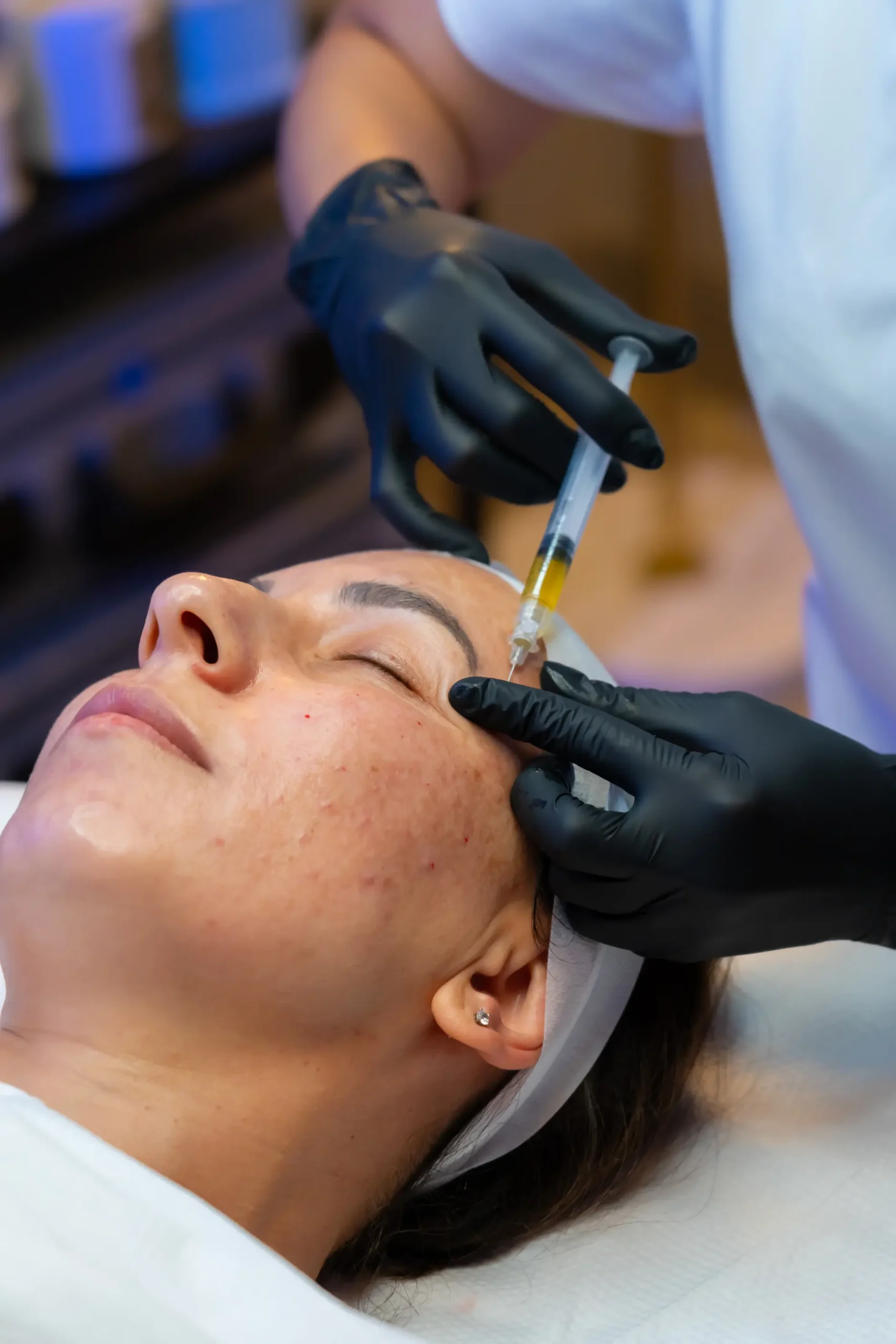
Spider vein treatment has been around for decades. It is still one of the most common ways to treat spider veins and small varicose veins. Treatment for spider veins is usually pretty quick; it can take anywhere from 15 minutes to 45 minutes depending on how many spider veins are being treated.
What Is Laser Vein Treatment?
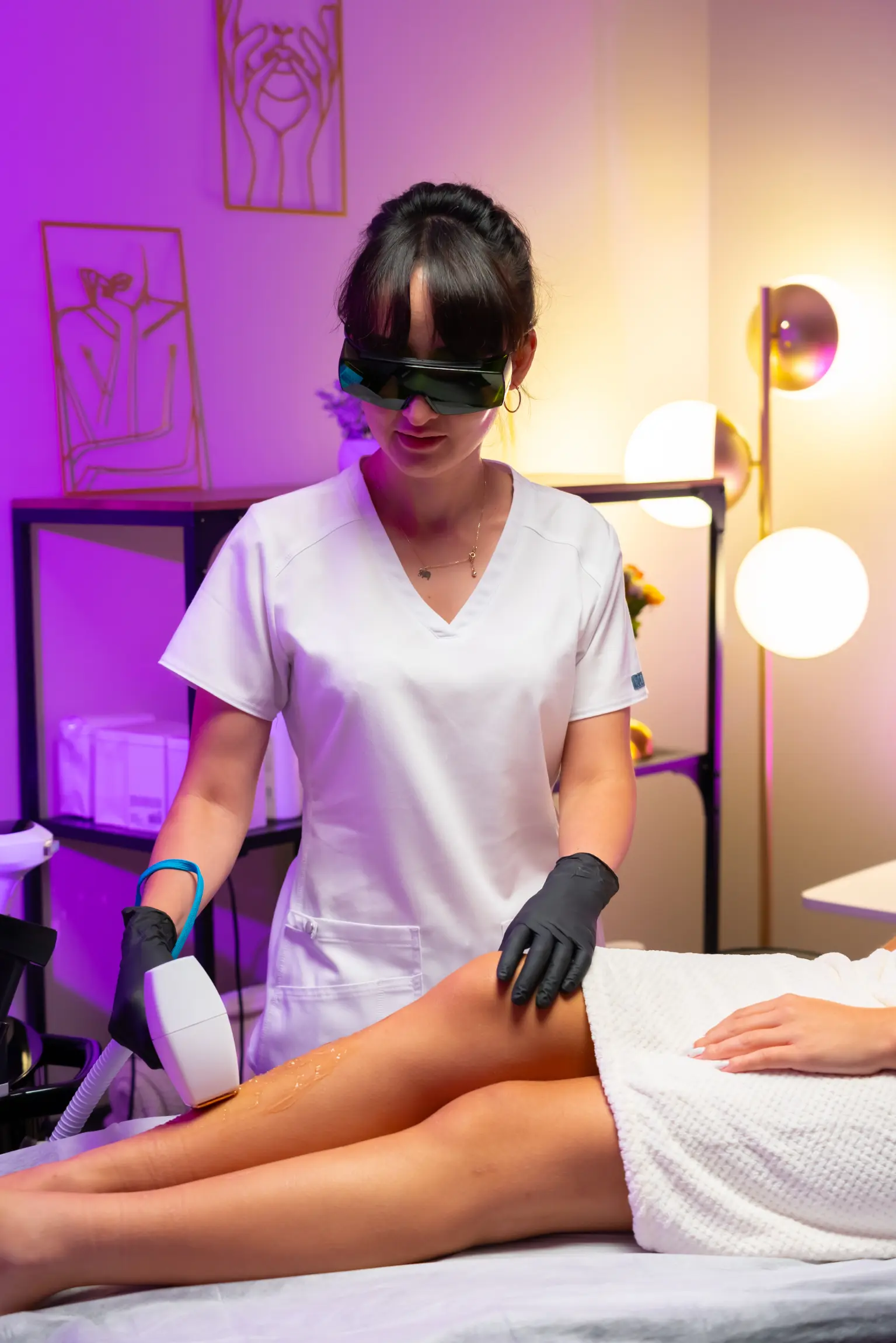
Laser vein treatment for spider veins uses light to heat up and damage the targeted blood vessels. The spider veins that are treated slowly close up. The body absorbs them. Laser treatment is different from sclerotherapy because it does not need injections.
The laser machine sends pulses of energy at the veins that you can see. This protects the skin around them. The body gets rid of the damaged blood vessels on its own over a few weeks or months. The procedure works well for tiny veins that are hard to reach with a needle.
Sclerotherapy vs Laser for Spider Veins: How Do They Differ?
At first glance, both treatments appear to accomplish the same thing. They both target unwanted veins and gradually make them disappear.
The methods, however, are quite different.
In practice, one thing that surprises many patients is that neither treatment produces immediate results. The veins usually fade gradually over several weeks.
Sclerotherapy vs Laser Treatment for Spider Veins on the Legs
One of the most common questions involves laser treatment for spider veins on legs. For many leg spider veins, sclerotherapy is frequently considered the first-line treatment because it often works particularly well for larger and more visible leg veins.
Laser treatments can still be effective, especially for smaller vessels or in situations where injections may not be ideal.
For example, a patient with several larger blue and purple veins near the ankles may respond extremely well to sclerotherapy. Another person with tiny red spider veins scattered across the legs may benefit from laser treatment.
Sclerotherapy vs Laser: Which Procedure Is More Comfortable?
A lot of patients think about comfort. Sclerotherapy involves multiple tiny injections. Most people say it feels like someone is pinching them a little or it stings slightly. On the other hand, laser treatments do not use needles at all. Some patients say the laser pulses feel like a rubber band snapping against the skin. Neither sclerotherapy nor laser treatments are usually very painful.
What Happens During a Sclerotherapy Procedure?
The procedure is really not that hard. The treatment area is cleaned. Then they use a very small needle to put a special solution into the affected veins. Sometimes they have to do this multiple times because there are a lot of veins that need to be treated. The treatment is done quickly because the procedure itself is simple. The doctor will use the solution and the small needle to fix the affected veins.
People usually get back to their routine pretty quickly after that. Doctors and nurses may tell patients with these conditions to walk and wear special tight socks for a little while.
What Happens During Spider Vein Laser Treatment?
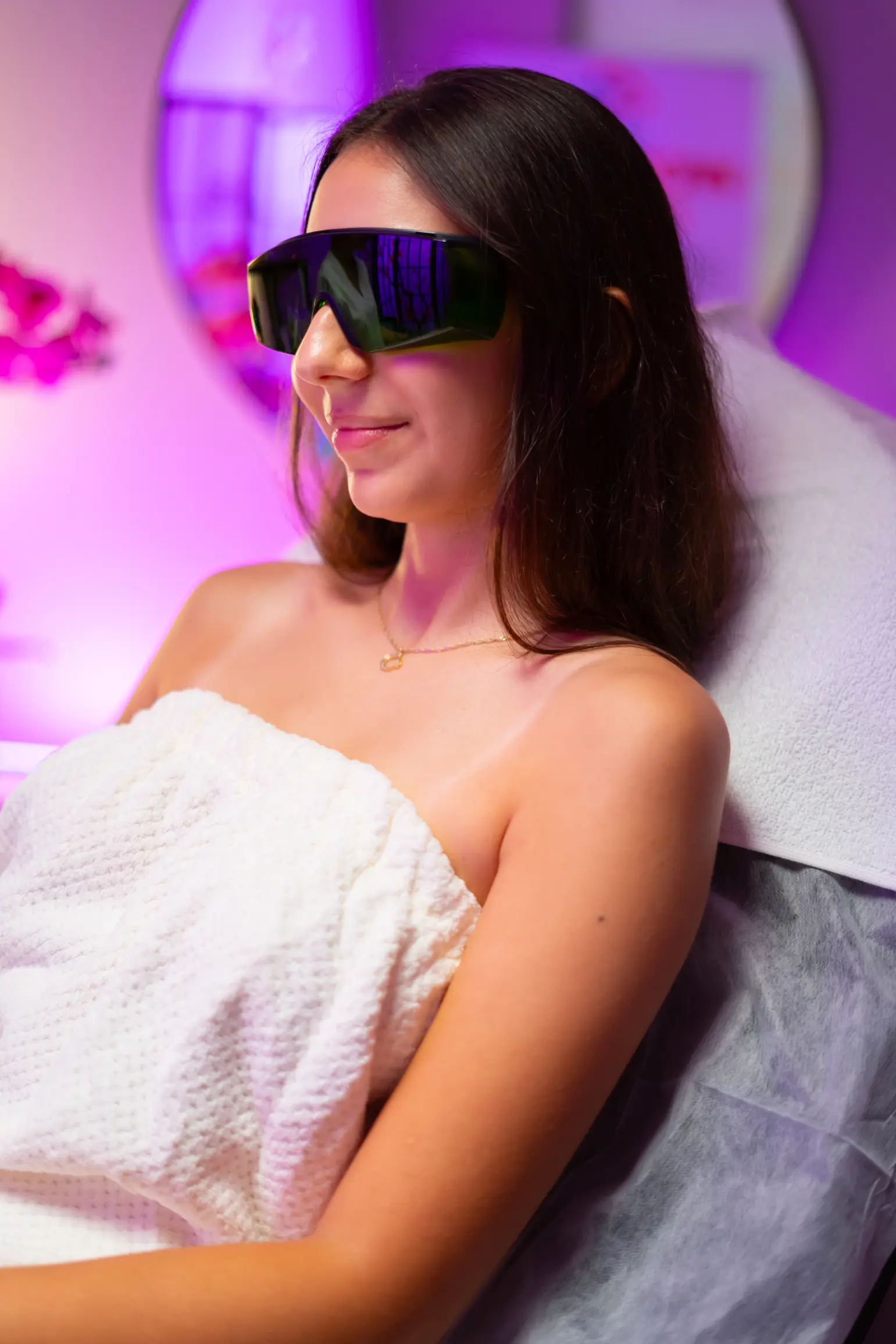
During spider vein laser treatment you will be given protective eyewear. The doctor then uses a laser to send bursts of energy directly at the spider veins. This heat fixes the problem by damaging the blood vessels. The good thing is that it does not hurt the surrounding skin much.
The treatment usually takes less than an hour. It is pretty quick. Some patients notice they have redness or temporary swelling after the treatment, but the recovery from the treatment is generally straightforward.
Which Treatment Produces Faster Results?
Neither procedure works overnight. Following sclerotherapy some veins may look darker at first. They will fade away gradually. Laser-treated veins also disappear slowly as the body absorbs the damaged vessels.
People usually start to see some improvement in a week. It can take a few months to get the full results. The thing that gets people is they want all the visible veins to be gone after one treatment. That is not how it works. Spider vein treatments take time, so you have to be patient with them.
How Many Sessions Are Usually Needed?
The number of treatments for spider veins is different for each person. Some people get results after just one visit to the doctor. Others need to go to the doctor a few times, especially if they have a lot of spider veins or need treatment in several places.
Factors that influence treatment plans include:
- Number of visible veins
- Size of the veins
- Location of the veins
- Individual healing response
- Desired cosmetic outcome
Laser Sclerotherapy: Can Both Treatments Be Combined?
The term ‘laser sclerotherapy’ is used when doctors combine two methods to treat someone. A doctor may suggest sclerotherapy for the spider veins on your legs and laser treatment for the smaller spider veins that are left after that.
Combination therapy works well for results. This is because each treatment targets a kind of vein. You may not need both procedures. They are not against each other. In some cases they actually work well together.
Potential Side Effects
Both procedures are generally considered safe when performed by qualified providers.
Temporary side effects of sclerotherapy may include:
- Mild bruising
- Redness
- Temporary discoloration
- Minor swelling
Laser therapy for spider veins may cause the following:
- Mild redness
- Temporary swelling
- Slight tenderness
- Temporary changes in skin pigmentation
Which Treatment Costs More?
Costs vary by provider, location, and the number of treatment sessions required. For a detailed breakdown, see our guide on sclerotherapy cost.
General price ranges often look like this:
Patients often need more than one session regardless of which treatment is selected. The total cost depends largely on the extent of the spider veins and the desired outcome.
Who May Be a Better Candidate for Sclerotherapy?
Sclerotherapy may be a good option for people who have spider veins on their legs. This is also an option for people with blue or purple veins that you can see really easily. Some people have a lot of areas that need to be treated. Sclerotherapy can be a good choice for them too. People who do not mind getting shots might like sclerotherapy.
Many vein specialists consider sclerotherapy highly effective for leg veins that are suitable for injection treatment.
Who May Prefer Laser Treatment?
Laser treatment may be attractive to individuals who:
- Prefer to avoid needles
- Have very small surface veins
- Have tiny facial spider veins
- Have veins that may be difficult to inject
The procedure can also be useful for treating small residual vessels after previous vein treatments.
A Practical Way to Decide
The discussion around sclerotherapy vs laser vein treatment isn’t about finding a universal winner. Both treatments have an important place in modern vein care.
Sclerotherapy often performs exceptionally well for many leg spider veins and remains one of the most widely used treatment options. Laser therapy can be particularly helpful for tiny surface vessels and for patients who prefer a non-injection approach.
The best treatment usually depends less on the technology itself and more on the characteristics of your veins. At Arynova Aesthetics, a proper evaluation and consultation can determine whether sclerotherapy, laser treatment, or a combination of both is likely to provide the results you’re looking for.
FAQ’s
Is sclerotherapy better than laser treatment for spider veins?
Neither treatment is universally better. Sclerotherapy often works very well for larger leg spider veins, while laser treatment may be more suitable for very small veins or areas that are difficult to inject.
Which treatment works best for spider veins on the legs?
For many people with larger, visible leg veins, sclerotherapy is frequently considered the first-line treatment. However, laser therapy can still be effective for certain types of smaller leg veins.
Does laser treatment for spider veins hurt?
Most patients describe laser treatment as mildly uncomfortable rather than painful. The sensation is often compared to a rubber band snapping against the skin.
How many sessions of sclerotherapy or laser treatment are usually needed?
The number of sessions varies depending on the size, location, and number of spider veins. Some people see good results after one treatment, while others may require multiple sessions.
How long does it take to see results after spider vein treatment?
Results are not immediate. Treated veins usually fade gradually over several weeks, and full improvement may take several months.
Is there any downtime after spider vein treatment?
Both procedures generally involve minimal downtime. Most patients can return to normal activities shortly after treatment, although some may need to follow specific aftercare instructions.
Are the results of spider vein treatments permanent?
Treated veins usually do not return. However, new spider veins can develop over time due to factors such as genetics, ageing, hormonal changes, and prolonged standing. Maintenance treatments may occasionally be needed.