Most people go for a facial expecting a bit of relaxation and a temporary glow. Then they hear words like “hydrodermabrasion” and “Hydrafacial” and assume they’re basically the same thing. They are not.
The confusion is understandable. HydraFacial and microneedling treatments are similar in some ways. They both use water to help clean the skin. They both help get rid of skin cells. They both say they can make your skin look better without you having to stay home for a long time. They use different machines.
The debate around hydrodermabrasion vs Hydrafacial often comes down to one question: which treatment will give you the results you’re actually looking for? The answer depends on your skin type, concerns, budget, and expectations.
What Is Hydrodermabrasion?
It’s a non-invasive skincare treatment and is really gentle on your skin. It uses water and soft suction to clean, remove skin and add moisture to the skin. Hydrodermabrasion does not use things, like crystals or rough tools that you find in traditional microdermabrasion. Hydrodermabrasion uses streams of special liquid to remove dead skin cells and at the same time put in ingredients that add moisture to the skin.
This treatment is not as harsh as conventional treatment to get rid of dead skin cells. The process includes putting moisture into your skin so when you are done, your skin feels clean and soft. Many people like this because their skin does not feel dry or irritated after the treatment.
What Is a Hydrodermabrasion Facial?
A hydrodermabrasion facial is basically a treatment where they clean your skin, get rid of the cells, remove any blockages and then hydrate your skin all in one visit. The hydrodermabrasion facial treatment is designed to make your skin look better and also help your skin keep its amount of moisture.

A typical session may help address concerns such as:
- Dull skin
- Mild congestion
- Uneven texture
- Dryness
- Minor discoloration
- Enlarged pores
What Is a Hydrafacial?
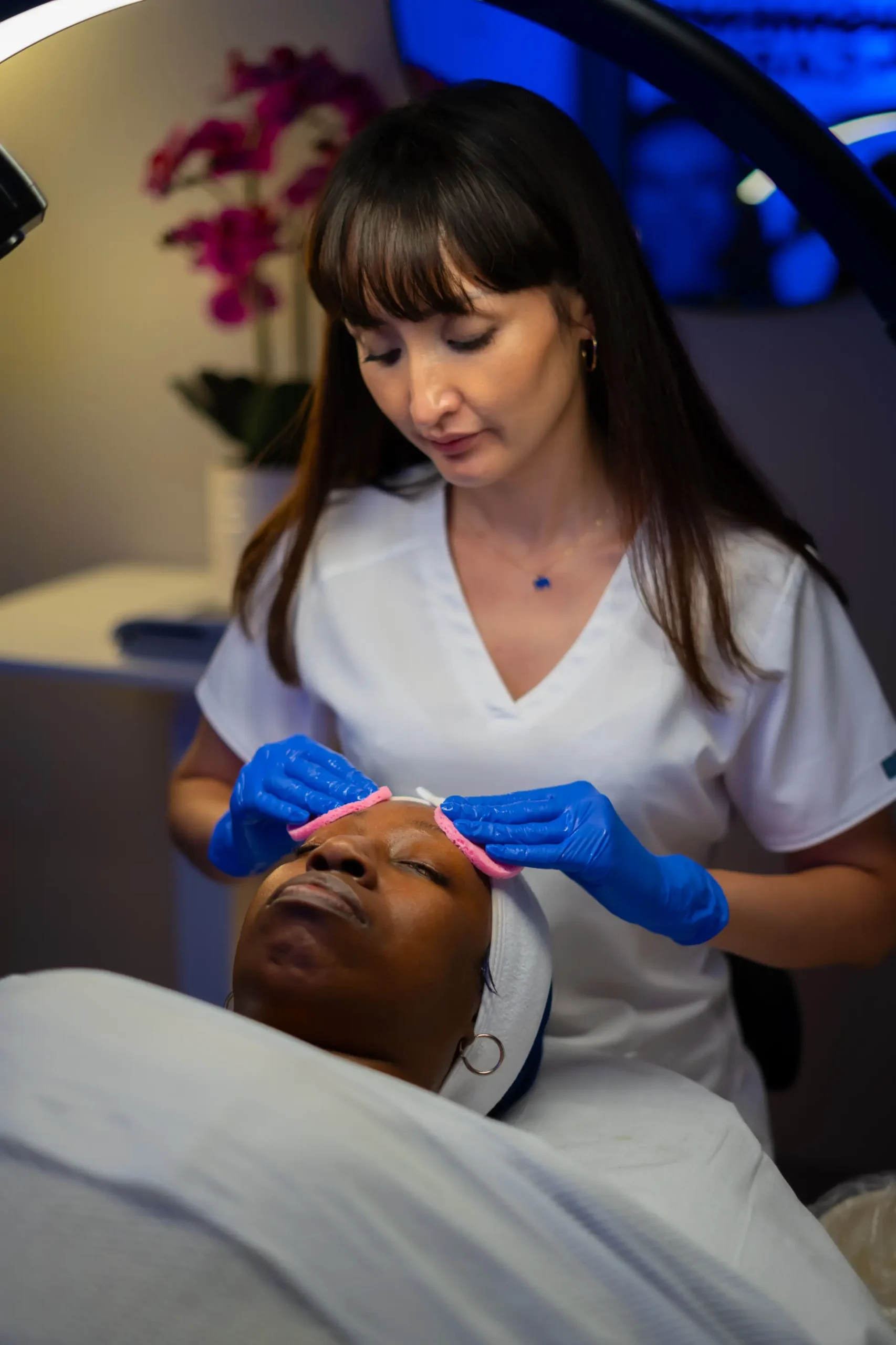
A HydraFacial is a kind of facial treatment. It uses a machine to clean the skin. This machine helps to remove the skin cells and get rid of the bad stuff that can clog up the skin. Then it puts serum into the skin to make it look and feel better.
The Hydrafacial system is similar to hydrodermabrasion. It uses water to help get rid of skin cells and suction to clean the skin. The big difference between the two is that the HydraFacial system has a set of protocols that it follows and also uses serums that are made to help with specific skin problems.
Many providers use HydraFacial treatments to improve:
- Dehydrated skin
- Fine lines
- Congestion
- Mild pigmentation issues
- Enlarged pores
- Oily skin
Hydrodermabrasion vs Hydrafacial: The Biggest Differences
At first glance, the procedures appear almost identical. Both involve exfoliation, extraction, hydration, and serum infusion. Both are considered gentle treatments with little downtime. The differences become clearer once you look at the technology and treatment approach.
In practice, one thing that surprises people is how similar the immediate results can feel. Both treatments often leave the skin looking refreshed and hydrated.
How Does a Hydrodermabrasion Treatment Work?
A hydrodermabrasion treatment usually starts with cleaning the skin to get rid of dirt on the surface. The machine softly gets rid of dead skin cells while putting special liquids on the skin to make it feel better. It also sucks up gently to remove stuff from the pores and extra oil from the skin.
The appointment usually ends with serums that help calm and soften the skin. Most sessions take around 30 to 60 minutes. The skin treatment appointment often helps people feel better. Many people go back after the skin treatment appointment.
How Does a Hydrafacial Work?
A Hydrafacial usually starts with a set routine. The skin gets exfoliated first. Then a gentle peel solution might be put on to help loosen dirt in the pores. The device uses suction, like a vacuum, to get rid of impurities. After that, special serums are put into the skin.
The process can be changed to fit your needs. For example, if you have oily skin, you will get things that help with blocked pores and too much oil. On the other hand, if you have dry skin, you will get things that help add moisture to your skin.
Which Treatment Is Better for Dry Skin?
Hydrafacial treatments and other treatments can help with hydration. Hydrafacial treatments are really good because they have lots of different serum options that can target specific skin problems. If you spend a lot of time outside, you might notice that your skin looks rough and really dry.
A treatment that combines exfoliation with moisture infusion can make your skin feel really smooth. Hydrodermabrasion also gives hydration benefits. The main difference is that some treatments can be customised to your needs.
Which Facial Is Better for Acne and Congested Pores?
Congested pores and mild acne are among the most common reasons people seek facial treatments. Both procedures use suction technology to remove impurities.
A facial hydrodermabrasion session may help reduce surface congestion and improve overall texture. HydraFacial treatments, however, may offer additional customisation for oily and acne-prone skin through targeted serums and booster options.
Neither procedure should be considered a substitute for medical acne treatment in cases of moderate or severe acne. Still, both can be useful additions to a broader skincare routine.
Hydrodermabrasion Benefits
Hydrodermabrasion benefits include the following:
- Gentle exfoliation without significant redness or downtime
- Brighter, softer, and smoother-looking skin
- Improved hydration and refreshed skin appearance
- A relaxing and comfortable treatment experience
- Suitable for various skin types
- Minimal disruption to daily activities
What Usually Trips People Up
One misconception is that a lot of people think that if something is really expensive, it must be really good. That is not always true. Someone who has healthy skin and just wants to take care of it every now and then might be very happy with hydrodermabrasion. They do not need to spend a lot of money on a Hydrafacial. The results from hydrodermabrasion and Hydrafacial are not that different, so spending money on a Hydrafacial is not always worth it.
On the other hand, someone with persistent dehydration, oily skin and a lot of other skin problems might like the extra options that HydraFacial treatments give. The best thing to do for your skin is not always the expensive thing. It is the thing that helps you get the skin you want.
Does Either Treatment Hurt?
The procedure is not painful for people. People say it feels like water and gentle suction on their skin along with a little bit of exfoliation. It is like a combination of water and gentle suction and light exfoliation. Some people even find the procedure really relaxing. The procedure feels nice and calm to some patients.
This thing does not hurt much because it does not rub the skin much. You might get a little red, especially if you have sensitive skin. The redness goes away fast.
How Much Do These Treatments Cost?
Pricing varies depending on location, provider experience, and treatment customisation. For a detailed breakdown, see our guide on HydraFacial cost.
General price ranges often look like this:
Specialised boosters or combination treatments may increase the total cost. Multiple sessions are often recommended for individuals seeking ongoing improvements in skin quality.
How Long Do Results Last?
People usually see that their skin looks smoother and brighter right after they get a treatment. The skin has a glow that people can see, and this glow can last for a few days or even longer. It really depends on how people take care of their skin and what is happening around them.
The good things that hydration does for your skin can last a lot longer. People who are getting ready for like a wedding, a work event or a trip usually get a treatment about a week before because it makes their skin look really good right away.
Who Is a Good Candidate for Hydrodermabrasion?
Hydrodermabrasion may be suitable for people who want gentle exfoliation and hydration with minimal downtime.
It can be particularly appealing to individuals experiencing:
- Mild dryness
- Dullness
- Uneven texture
- Minor congestion
- General skin maintenance concerns
Because the treatment is generally gentle, many skin types tolerate it well.
Who Might Prefer a Hydrafacial?
People who want a treatment that is tailored to their skin will like Hydrafacial treatments. Some individuals have a lot of skin concerns, like their skin is really dry. They have big pores, or their skin has some uneven colour, or it gets too oily. These individuals often like Hydrafacial treatments because they can choose from different serums to help with their skin concerns.
The procedure can also be good for people who like getting skincare treatments and want them to be customised to their skin’s changing needs.
A Practical Way to Choose
Hydrodermabrasion is good for exfoliation, hydration and looking refreshed. It is also cheaper. HydraFacial treatments do all that and more. They are more customisable. They use advanced technology.
If you want to keep your skincare easy and just make sure your skin is healthy, water hydrodermabrasion might be the right option to go with. If you want a facial that is tailored for you and can help with a lot of issues at the same time, you should think about getting a HydraFacial.
If you’re still unsure which option fits your skin needs, the professionals at ArynovaAesthetics can help you choose a treatment plan based on your goals and skin concerns.

Frequently Asked Questions
1. What is the difference between hydrodermabrasion and a HydraFacial?
Both treatments use water-based exfoliation, gentle suction, extraction, hydration, and serum infusion. Hydrodermabrasion is a general treatment method, while HydraFacial uses a branded device, structured treatment protocols, and specialised serums or boosters that can be selected for specific skin concerns.
2. Is a HydraFacial better than hydrodermabrasion?
Neither treatment is automatically better for everyone. Hydrodermabrasion may be suitable for people who want gentle exfoliation, hydration, and routine skin maintenance. A HydraFacial may be preferable for people who want greater customisation or need to address several concerns during the same appointment.
3. Which treatment is better for dry skin?
Both treatments can help hydrate dry skin. A HydraFacial may offer more customisation through serums and boosters selected for dehydration, while hydrodermabrasion can gently exfoliate the skin and replenish moisture without aggressive resurfacing.
4. Can hydrodermabrasion or HydraFacial help with acne?
Both treatments may help improve mild congestion, oily skin, and clogged pores through exfoliation and suction. HydraFacial treatments may provide additional options for acne-prone skin through targeted serums. However, neither treatment should replace medical care for moderate or severe acne.
5. Do hydrodermabrasion and HydraFacial treatments hurt?
Both procedures are generally considered comfortable and non-invasive. Most people describe the sensation as a combination of flowing water, light exfoliation, and gentle suction. Temporary redness may occur, particularly in sensitive skin, but it usually fades quickly.
6. How much do hydrodermabrasion and HydraFacial treatments cost?
Prices vary depending on the clinic, provider experience, location, treatment length, and level of customisation. HydraFacial treatments may cost more when specialised boosters, serums, or combination procedures are added.
7. Is there any downtime after either treatment?
Hydrodermabrasion and HydraFacial treatments generally require little to no downtime. Most people can return to their usual activities immediately after the appointment. Mild redness or sensitivity may occasionally occur for a short period.
8. How long do the results last?
Many people notice smoother, softer, and brighter-looking skin immediately after treatment. The visible glow may last for several days or longer, depending on the person’s skin, home-care routine, and environmental exposure. Regular treatments may be recommended for ongoing skin maintenance.
9. Which treatment is better before an event?
Both treatments can provide a refreshed, hydrated appearance with minimal downtime. People often schedule them before weddings, photographs, holidays, or professional events. The most appropriate timing should be discussed with the provider, especially for sensitive or reactive skin.
10. Who is a good candidate for hydrodermabrasion or HydraFacial?
These treatments may be appropriate for people experiencing dullness, dryness, uneven texture, enlarged pores, mild congestion, or oily skin. A professional skin assessment can determine which treatment and serum options are most suitable for your skin type and goals.
Neither treatment is automatically better for everyone. Mesotherapy may be helpful for improving scalp health and reducing shedding, while PRP is often preferred for early pattern hair loss and stimulating active hair follicles.